
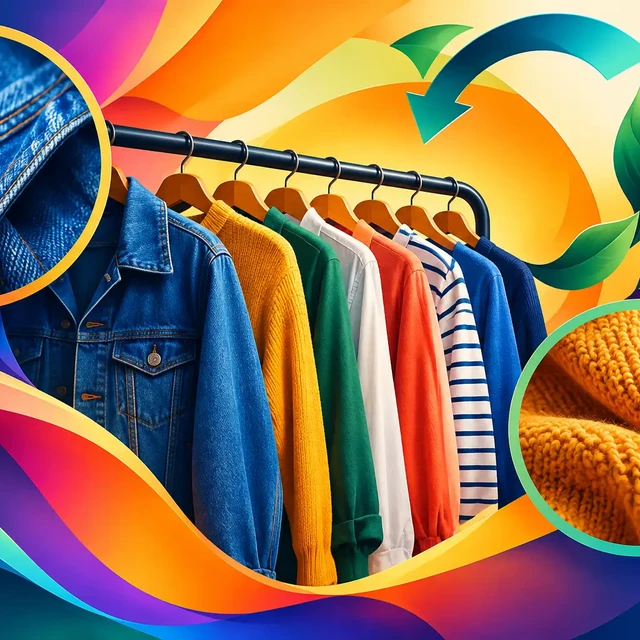
A soft vintage denim jacket that has held its shape for years. A silk blouse with a beautiful drape. A wool coat that feels far more substantial than many new options on the rack. If you are asking, are preowned clothes good quality, the honest answer is yes - often exceptionally so - but quality depends on the individual piece, not simply whether it is new or secondhand.
Pre-loved fashion is not a single category. It includes barely worn contemporary clothing, durable wardrobe staples with plenty of life left, rare vintage finds, and pieces that have been loved hard enough to retire. The difference is in the details: fabric, construction, condition, and care. Shopping with a curated eye can make secondhand clothing one of the smartest ways to find distinctive style at an approachable price.
Why preowned clothes can be surprisingly high quality
A garment that has made it through years of wear can tell you something a brand-new item cannot: how it performs in real life. If its seams are still secure, its shape remains intact, and its fabric still feels good, it has already passed an important test.
Many preowned pieces also come from earlier production runs, when certain brands used heavier knits, more substantial denim, natural fibers, and more detailed finishing. This is especially true with vintage clothing, though age alone does not guarantee quality. A well-made 10-year-old sweater may outlast a new one, while a poorly made vintage top may still have fragile fabric or weakened elastic.
The value is not limited to older clothing. Plenty of modern pre-loved pieces are resold because they no longer fit, were purchased for one occasion, or simply did not match their owner's style. That means shoppers can find garments in excellent or like-new condition without paying full retail price.
Are preowned clothes good quality for everyday wear?
They can be, especially when you focus on materials and construction rather than the label alone. Cotton, linen, wool, silk, leather, and sturdy denim can all wear beautifully when cared for properly. A high-quality natural fiber may soften over time while keeping its character, rather than looking worn out.
For everyday pieces, look at the areas that work hardest: underarms, cuffs, collars, knees, seat seams, and hems. Light fading on denim may be part of its appeal, but thinning fabric, deep pilling, or stretched-out ribbing can signal a shorter remaining lifespan. A small flaw is not automatically a dealbreaker if it is easy to repair and the price reflects it. The key is knowing whether you are buying a garment with character or one that is nearing the end of its useful life.
Online shopping requires a little more attention because you cannot touch the fabric before ordering. Clear photos, accurate measurements, fabric details, and transparent condition notes matter. They help you choose confidently and understand exactly what makes each piece special.
Quality clues worth checking before you buy
Start with the fabric composition. A garment made primarily from natural fibers is not always better, but fiber content gives useful context. Wool and cotton can be durable, while a small amount of elastane can help pants or fitted dresses keep their shape. Some synthetics are practical too, particularly in activewear, outerwear, and easy-care pieces. What matters is whether the fabric suits how you plan to wear it.
Next, check construction. Straight stitching, securely attached buttons, smooth lining, finished seams, and hems that lie flat are good signs. On jackets and coats, notice whether the shoulders hold their structure and whether the lining is intact. On knitwear, inspect for holes, snags, and excessive pilling. On leather accessories, look for cracking, peeling, or weak hardware.
Condition descriptions deserve the same attention as measurements. Terms such as “excellent,” “very good,” and “gently worn” can vary from seller to seller, so the details are what count. A thoughtful listing should call out flaws, repairs, fading, or missing components plainly. Honest condition notes are part of a good resale experience, not a reason to hesitate.
The trade-off: preowned is not always perfect
Pre-loved clothing is a more thoughtful alternative to buying new, but it is not a promise that every item will be pristine. A vintage piece may have a faint mark, a replaced button, or the gentle softening that comes with age. A well-worn favorite may need minor tailoring before it becomes yours.
That is part of shopping secondhand with intention. You get access to one-of-a-kind pieces, better materials at lower prices, and styles that are not repeated in every store. In exchange, each item is unique, sizing can vary, and inventory moves quickly. For many shoppers, those trade-offs make fashion feel more personal rather than less convenient.
There are also times when buying new may make more sense. If you need a highly specific size, a uniform for immediate use, or performance gear with a known warranty, a new purchase can be the simpler choice. Sustainable style is not about following a rigid rule. It is about making choices that fit your needs while extending the life of great clothing whenever possible.
How curation protects the value of secondhand fashion
The best resale shopping is not about sorting through endless listings and hoping for the best. Curation makes a meaningful difference. When a seller selects pieces for condition, style, and wearability, shoppers spend less time guessing and more time finding clothing they will genuinely reach for.
At Reclaimed Style, the goal is to give exceptional unused and pre-loved pieces another chance to be seen, styled, and enjoyed. A thoughtful edit helps make secondhand fashion feel less like a compromise and more like what it should be: an easy way to build a wardrobe with personality.
Curation also supports better buying habits. Instead of adding disposable items because they are cheap, you can choose a standout blazer, a dependable pair of jeans, or an accessory that changes the feel of outfits you already own. Fewer, better-loved pieces can bring more variety to a closet than a pile of trends that never quite feel like you.
Make your preowned clothing last longer
Quality has a second chapter after purchase. Gentle care helps a great piece stay great. Wash garments only when they need it, follow the care label, and use cold water when appropriate. Air-drying protects fibers and elastic better than frequent high heat, while folding knits helps prevent stretched shoulders.
Do not overlook simple maintenance. Sewing on a loose button, removing a small pill, conditioning leather, or having a favorite pair of pants hemmed can add years of wear. These small acts keep clothes in circulation and make a wardrobe feel more intentional.
Fit matters, too. A quality garment that does not fit your life will sit unused, no matter how beautiful it is. Before purchasing, compare the listed measurements with an item you already love. Think about where you will wear it, what you will pair it with, and whether you are comfortable caring for its fabric. That practical pause can turn a good find into a long-term favorite.
Preowned clothing is not valuable because it is old. It is valuable because a well-made piece still has something to give. Choose the items that feel good, fit your style, and are ready for their next chapter - then wear them often, care for them well, and let their story continue.


