
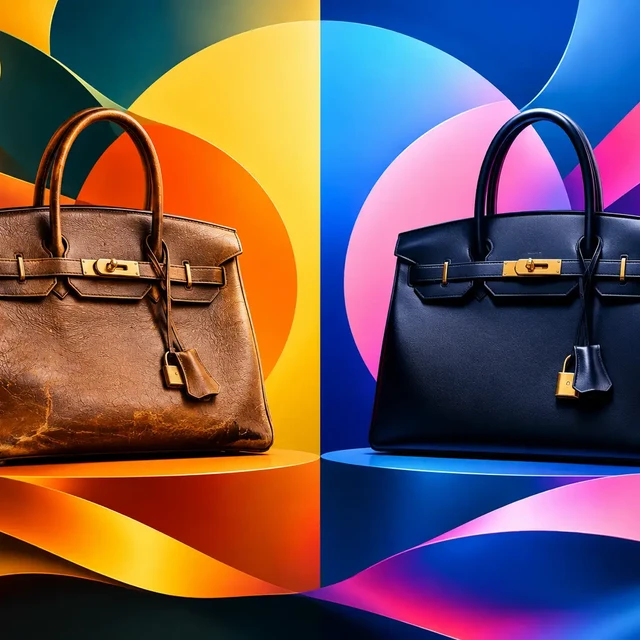
A designer bag can be the piece that makes a simple jeans-and-tee outfit feel intentional, but the price tag can stop that moment fast. When comparing used designer bags vs new, the better choice is not always the newest release or the lowest price. It is the bag that fits your budget, your lifestyle, and the way you want your wardrobe to make an impact.
For shoppers who love distinctive style and thoughtful value, pre-loved can offer far more than a discount. A well-chosen secondhand bag may bring better materials, a discontinued silhouette, and years of life left to enjoy. New bags have their place, too. The key is knowing what you are paying for and what matters most to you.
Used Designer Bags vs New: The Real Cost Difference
The most immediate advantage of buying used is price. Designer bags often lose a portion of their retail value once they leave the store, even when they have been carried only a few times. That means a shopper can often find a recognizable style, quality leather, and thoughtful craftsmanship for meaningfully less than the original retail price.
That lower entry point can make room in your budget for the details that create a personal wardrobe: a vintage jacket, a great pair of boots, or a special accessory you would not have considered at full price. It also lets you explore designers or silhouettes without treating every purchase like a major financial commitment.
New bags, on the other hand, come with the certainty of untouched condition. You are getting original packaging, current-season colors, and no signs of prior wear. For some people, especially those buying a milestone gift or a very specific style, that fresh-from-the-boutique experience is worth paying for.
Still, retail price is not the whole value story. A new bag may cost more because it is current, not necessarily because it is better made. A pre-loved bag from a strong production era can sometimes offer heavier hardware, more durable lining, or a leather finish that has developed character over time.
Condition Matters More Than “New” or “Used”
Secondhand is not one condition. A bag may be unused with tags, gently carried, beautifully broken in, or vintage with visible signs of a life well lived. That range is exactly why careful curation matters.
Before choosing a pre-loved bag, look beyond the main exterior photo. Consider the corners, handles, strap edges, lining, closures, hardware, and interior pockets. Light wear can be part of the charm, particularly on vintage leather that softens and develops a natural patina. Deep cracks, persistent odors, sticky linings, broken zippers, or peeling coated material are different concerns and should be reflected clearly in the price.
A new bag also deserves a close look. Modern materials vary widely, and a higher retail price does not automatically mean a bag is built for daily use. Check whether the straps feel comfortable, whether the opening works for your routine, and whether the color and shape will still feel like you six months from now. A bag that stays in its dust bag is not a better value simply because it arrived untouched.
The Sustainability Difference Is Bigger Than One Purchase
Choosing a used bag extends the life of an item that already exists. That simple decision helps keep quality fashion in circulation and reduces demand for new materials, new manufacturing, and new packaging. It is a practical form of circular fashion: wear what is already here, appreciate what was well made, and keep good pieces out of the waste stream longer.
Buying pre-loved does not mean settling. It means seeing style as something with a longer story. A vintage shoulder bag or a gently used leather tote can feel more personal than a style seen in every storefront, especially when it is selected for your own wardrobe rather than a passing trend.
New purchases can be made more thoughtfully, too. If you choose new, consider a timeless shape you will reach for often, care for properly, and carry for years. The most sustainable bag is often the one that gets genuinely used. But when an exceptional piece already has plenty of life left, giving it a second chapter is an easy, stylish way to make your shopping habits count.
When a New Designer Bag Makes Sense
There are times when new is the right call. If you have your heart set on a current color, need a specific size for work or travel, or want the brand’s original warranty and boutique experience, buying new can offer welcome peace of mind. It may also be the better option if you are purchasing a gift for someone who values being the first owner.
New can be especially appealing for highly technical bags, such as pieces with light-colored fabric, delicate embellishments, or specialized functionality. If you know you will use it constantly and care for it well, a new purchase may become a long-term staple rather than a short-lived splurge.
The important question is not whether new is inherently better. Ask whether the bag’s design, durability, and usefulness justify its price for your life. A classic style you carry three times a week can earn its place. A trend-driven purchase that feels dated by next season may not.
When Pre-Loved Is the Smarter Find
Pre-loved designer bags are especially compelling when you are looking for value, originality, or a style that is no longer in stores. Discontinued colors, vintage shapes, and older collections often have the kind of personality that makes an outfit feel entirely your own.
They are also a smart choice when you want to invest in quality without stretching your budget. Instead of paying retail for a new bag made with entry-level materials, you may find a better-crafted pre-owned option at a similar price. That trade can be particularly rewarding for shoppers who care about texture, tailoring, and pieces that do not look like everyone else’s.
At Reclaimed Style, the appeal of pre-loved fashion is not just that it costs less. It is that every selected piece has another chance to be useful, loved, and styled in a way that feels fresh. A great bag should support your personal style, not ask you to copy a uniform.
How to Choose a Bag You Will Actually Carry
Whether you buy used or new, start with your real routine. Think about what you carry on an ordinary day, not only what fits your dream outfit. If you commute, a secure closure and hands-free strap may matter more than a tiny top handle. If you attend events often, a compact clutch that holds your phone, keys, and cardholder may be all you need.
Also consider cost per wear. A bag that costs more but becomes your everyday favorite may offer better value than a bargain that never leaves the closet. Neutral colors are versatile, but do not overlook a rich burgundy, forest green, or textured vintage print if it fits the colors you already wear. The best choice is one you can picture reaching for without overthinking it.
When shopping pre-loved, use a simple four-part check before you commit:
* Confirm the condition description matches the photos, including close-ups of corners, straps, hardware, and interior details.
* Think about maintenance, especially for suede, light leather, patent finishes, or delicate vintage materials.
* Measure the bag against the items you carry most, rather than relying on a product name like “medium” or “large.”
* Buy from a seller that values clear descriptions and careful curation, so you know what to expect when your piece arrives.
A little patience is part of the reward. The right pre-loved bag may not appear the same day you start looking, but finding one with the right shape, condition, and personality can feel far more satisfying than clicking on the first new option available.
Value Is Personal, Not Just Financial
Some designer bags hold resale value better than others, but resale potential should be a bonus, not the sole reason to buy. Fashion is meant to be worn. If a bag makes you feel polished, works with your daily life, and holds up beautifully, it has value beyond what it might sell for later.
Used designer bags can offer a rare combination: quality, affordability, individuality, and a lighter environmental footprint. New bags can offer certainty, current availability, and the pleasure of a first-use experience. Neither choice has to be all-or-nothing. Many thoughtful wardrobes make room for both.
Choose the piece that feels like it belongs in your life, then give it the care and wear it deserves. The most memorable bags are not the ones that stay perfect forever. They are the ones that become part of your story.


